Use wider clearances without overbuilding
You can absolutely plan for aging in place without turning your home into a hospital room. The best remodels feel calmer, brighter, and easier to live in—not clinical. We approach it as good design first: safer paths, smarter lighting, better access, and finishes that still feel like home in Spokane and across the Inland Northwest.
Start with the goal: support, not signage
When homeowners ask us about aging in place, they usually don’t want “accessible” features that announce themselves. They want a house that works better now and still makes sense ten years from now.
That’s the sweet spot.
A thoughtful remodel should preserve character, improve daily comfort, and quietly remove the little frictions that become bigger over time. In our work, that often means planning for movement, reach, lighting, and footing before there’s a fall or a health event forcing the issue.
Design choices that feel graceful, not institutional
Keep the architecture warm
The easiest way to avoid an institutional look is to keep the bones of the house in the conversation. We like natural wood tones, textured tile, real trim details, and finishes that match the home’s style rather than a one-size-fits-all “accessible” package.
A clean-lined home can still feel warm. A traditional home can still feel updated. The trick is restraint and consistency.
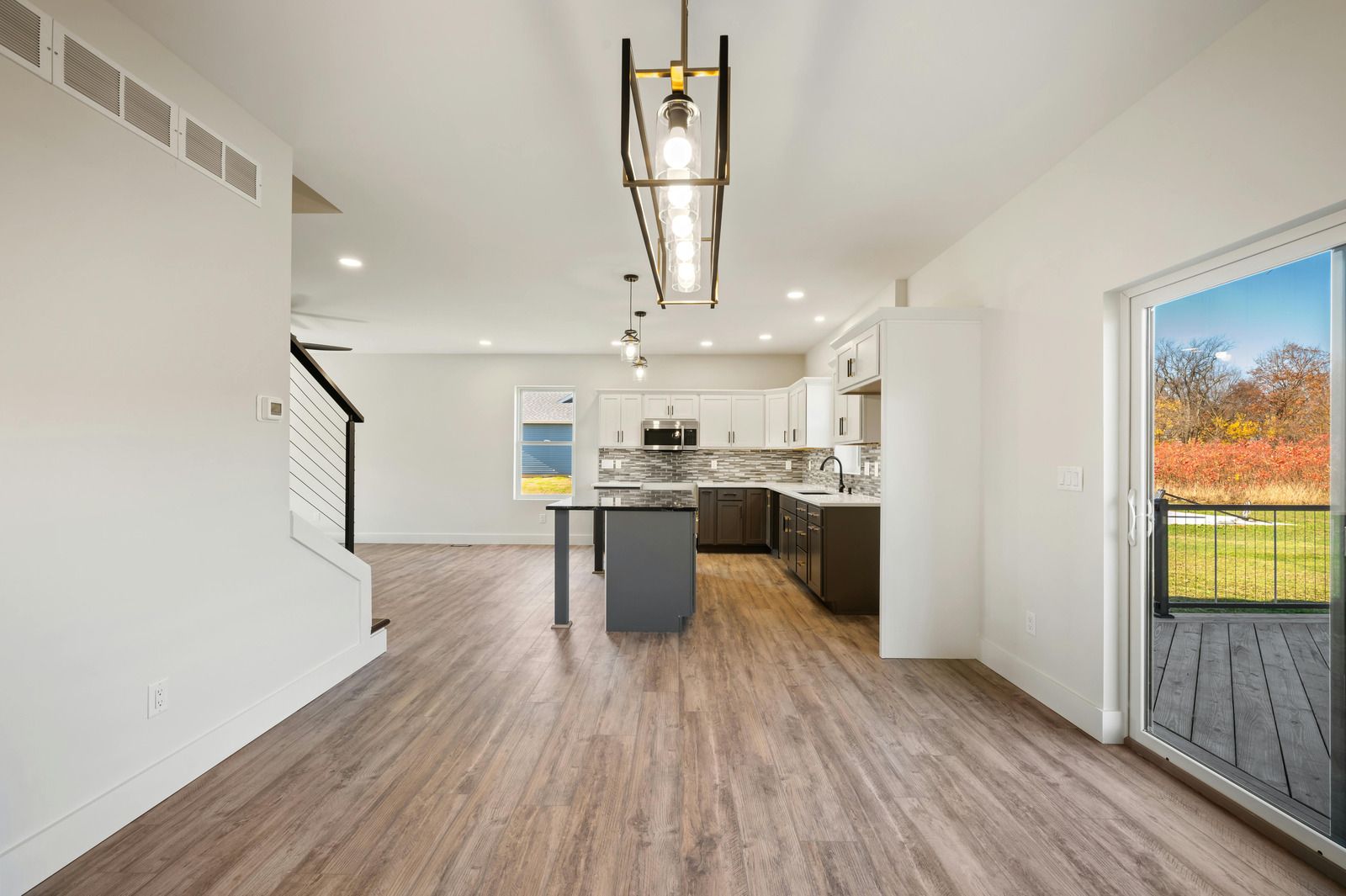
Use wider clearances without overbuilding
Better circulation matters, but bigger is not always better. We look for smart clearances where they count:
- Hallways and main pathways that allow easier movement
- Openings that don’t pinch at door swings
- Turning space in kitchens, baths, and laundry areas
- Furniture layouts that keep routes simple
You do not need to turn every room into an empty box. You just need enough room to move comfortably with groceries, laundry baskets, mobility aids, or a helping hand if that day comes.
Choose lighting like it matters—because it does
Lighting is one of the most overlooked aging-in-place upgrades. Dark corners, glare, and uneven lighting make a home feel older and less safe.
We often recommend:
- Layered lighting, not just overhead fixtures
- Brighter task lighting at sinks, counters, and stairs
- Motion or switch-controlled night lighting
- Warmer tones that feel inviting, not harsh
Good lighting can make a remodel feel more luxurious at the same time it makes it safer.
Make the bathroom easier now and later
We do a lot of bath work, but aging in place is bigger than the bathroom. Still, the bath is where safety and style meet most visibly.
A curbless shower is a great example. Done well, it looks intentional and modern—not clinical. Pair it with the right tile, a clean glass panel, and a well-balanced layout, and it reads like a design choice. Not an accommodation.
Other smart moves:
- Blocking in the walls for future grab bars
- A shower bench that looks built-in, not temporary
- Slip-resistant flooring
- Lever handles instead of tight knobs
- A toilet location with real side access
The key is planning for the future without installing every feature upfront. We can build in the structure now and let the visible accessories come later if they’re ever needed.
Think whole-home: the best aging-in-place remodel starts at the front door
If we only focus on the bath, we miss the bigger picture. A great aging-in-place plan usually includes the whole route through the house.
Entry and thresholds
Spokane winters remind us how much thresholds matter. Snow, slush, and uneven transitions are more than an annoyance.
We like to reduce or eliminate steps at entries where possible, smooth out floor transitions, and make sure exterior surfaces drain and stay as safe as possible. Even a small threshold can become a trip point over time.
Main-floor living
If the home can support it, moving essential functions to the main floor is one of the smartest investments you can make. That may include:
- Bedroom access
- A full or partial bath
- Laundry
- Storage for everyday items
- Easy access to kitchen and living spaces
This isn’t about anticipating decline. It’s about reducing daily strain and keeping life simple.
Kitchen reach and storage
Aging in place works better when the kitchen fits the body, not the other way around. We often adjust storage so the most-used items live where they can be reached without climbing, bending, or stretching.
That can mean:
- More drawers, fewer deep cabinets
- Pull-out shelves
- Better pantry access
- Counter heights and landing zones that make sense
- Hardware that’s easy to grip
These upgrades help everyone in the house, which is why they rarely feel specialized.
Plan before it’s urgent
We see a lot of homeowners start this conversation after a close call, a surgery, or a parent’s move-in. That works, but it adds pressure.
Planning earlier gives you more options. You can phase the project, protect the budget, and make choices that feel considered instead of reactive.
It also helps with resale. Nationally, and in the homeowner demand we see every day, more people are looking for homes that can adapt over time. That doesn’t mean every buyer wants a fully accessible house. It does mean practical, future-ready features are increasingly valued when they’re done with taste.
How to keep resale strong
The best aging-in-place upgrades usually help resale because they improve comfort for a wide range of buyers.
Features that tend to age well include:
- Main-floor primary suites
- Curbless showers
- Better lighting
- Wider passages
- Durable, low-maintenance materials
- Thoughtful storage
- Non-slip flooring with a refined look
What hurts resale is when a home feels overly specialized or visually disconnected from the rest of the house. We avoid that by treating every upgrade as part of the design language, not as an add-on.
A good remodel should still feel like your home
That’s the whole point.
Aging in place does not have to mean surrendering style. It should mean making a home more livable, more forgiving, and easier to enjoy for years to come. The best projects are the ones where the safety features are there, but they don’t dominate the room.
We like that kind of work because it respects both the house and the people living in it.
FAQ
What is the best first aging-in-place remodel?
Usually the best first step is a whole-home assessment. We look at entries, lighting, circulation, the main-floor layout, and the bathroom—then prioritize the changes that will have the biggest everyday impact.
Do curbless showers make a house look medical?
Not when they’re designed well. With the right tile, glass, and proportions, a curbless shower can look cleaner and more high-end than a standard tub/shower combo.
Should I add grab bars now?
If you want the option later, we recommend installing blocking in the walls now. That way, grab bars can be added securely when needed without opening up finished walls.
Is aging in place only for older homeowners?
No. Many of the same upgrades help busy families, guests, and homeowners recovering from injury. Better lighting, fewer trip hazards, and smarter storage work at every age.
What remodel features matter most in Spokane homes?
We pay close attention to entries, thresholds, mudroom function, lighting, and main-floor living. Our climate makes safe transitions and practical daily flow especially important. ---
Thinking about a remodel in Spokane or North Idaho? We’re happy to help you think through the next step — even if that step is just getting clearer on what’s possible.
📱 Call or text: 509-890-0222 📧 Email: info@pnwbuild.com 🔗 Schedule a consult: https://www.pnwbuild.com/contact
The Building Company
is a proud member of the National Association of Home Builders (NAHB) and the National Association of the Remodeling Industry (NARI), reflecting our commitment to craftsmanship, continuing education, and high standards for every project.